
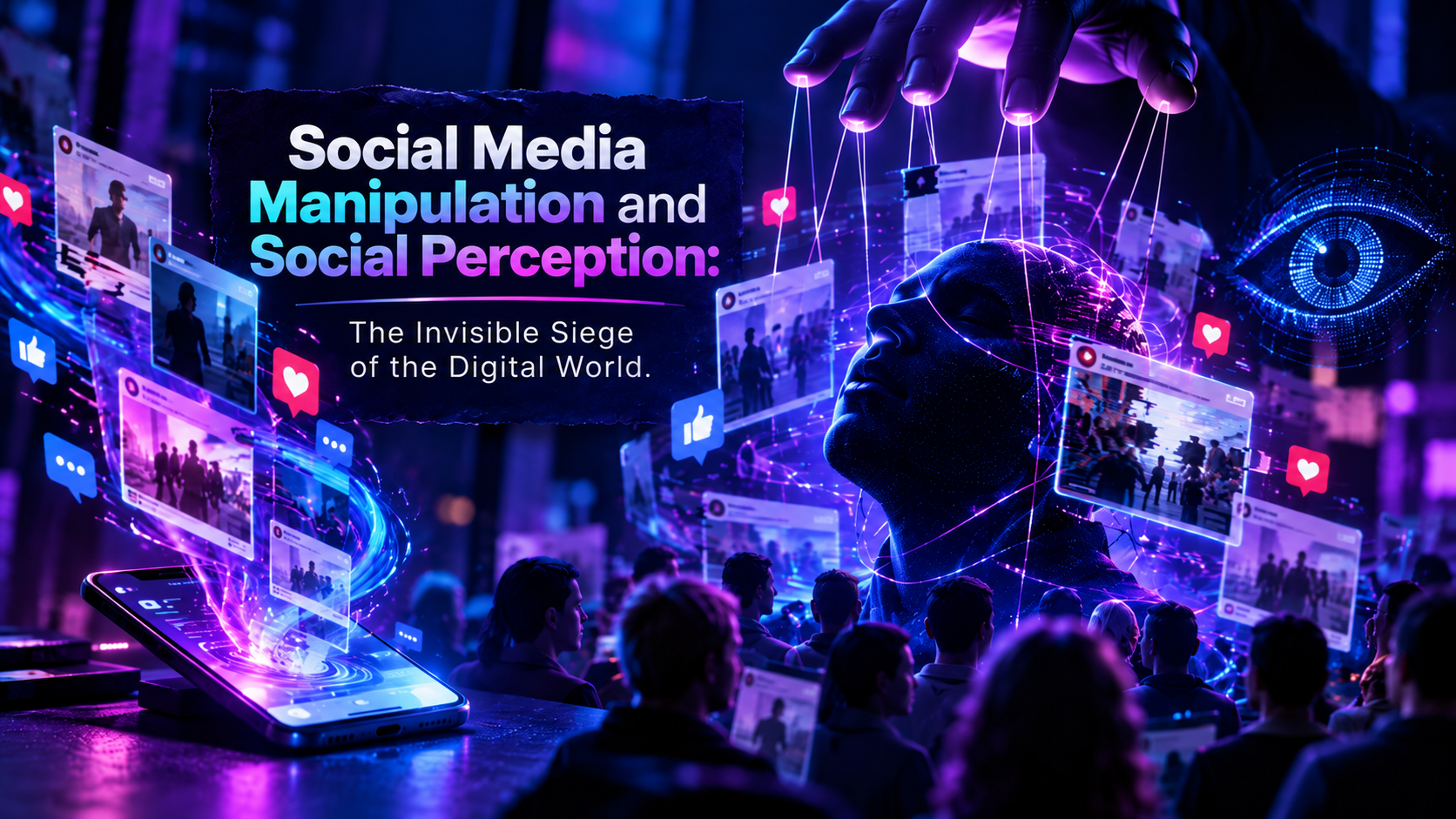
In the early days when the internet first entered our lives, we all shared a common dream and belief: the hope that, as information flowed freely, the world would become a much more transparent, fair, and democratic place... However, when we look back at the digital landscape today, we see that social media is far from being an innocent communication tool. Social media has now transformed into complex tools of influence that steer the masses, shake regimes, and destabilize a country’s internal dynamics.
Social media manipulation, in particular, is one of the most covert yet destructive methods of warfare in the modern era. Examining how these platforms can manipulate the masses by tapping into the digital nerve centers of a country or community—from technical, psychological, and sociological perspectives—is a vital necessity for accurately understanding today’s world and protecting ourselves from these threats. At Fovimarlo, in this article, we’ve laid bare the anatomy of digital manipulation, from the dark side of algorithms to the new generation of AI-powered threats.
1. The Dark Side of Algorithms: Why Do Anger and Fear Spread So Quickly?
The business models and underlying algorithmic logic of social media platforms are designed to maximize ad revenue by keeping users on the screen for as long as possible. When we examine how this algorithmic structure works, it becomes clear that the emotions that trigger the most user engagement are anger, fear, and uncertainty.
Vulnerabilities in Human Psychology: Evolutionarily speaking, the human brain reacts much more quickly and sharply to potential dangers, threats, and negativity than it does to positive news.
The Rise of Polarizing Content: The platforms’ AI algorithms capitalize on this psychological tendency by systematically promoting polarizing content that contains anger and hatred.
A Perfect breeding ground for Fifth Column Activities: Provocative posts that exploit societal fault lines and stoke fear reach millions of people in a short time, appearing as if they were organic reactions, and hold the public’s perception hostage.
2. Astroturfing and the Creation of Artificial Agendas: How Real Is What You See on Screen?
One of the biggest illusions in the digital world is assuming that the mass movements or trending topics we see on screen are always the result of organic social reactions.
Known in the literature as “astroturfing”—or “artificial grassroots movement/artificial public opinion creation”—this technique is orchestrated using bot networks, coordinated trolls, and armies of fake accounts. When we observe digital debates in Turkey, we can clearly see just how aggressively and systematically these artificial agenda-setting mechanisms operate.
Thousands of fake accounts, designed to fuel a specific political agenda, the perception of an economic crisis, or social provocation, post simultaneously.
The topic is quickly turned into the country’s most talked-about issue.
An ordinary user browsing honestly online falls under the illusion that a marginal and fabricated idea is supported by the overwhelming majority of society, and consequently feels psychologically pressured.
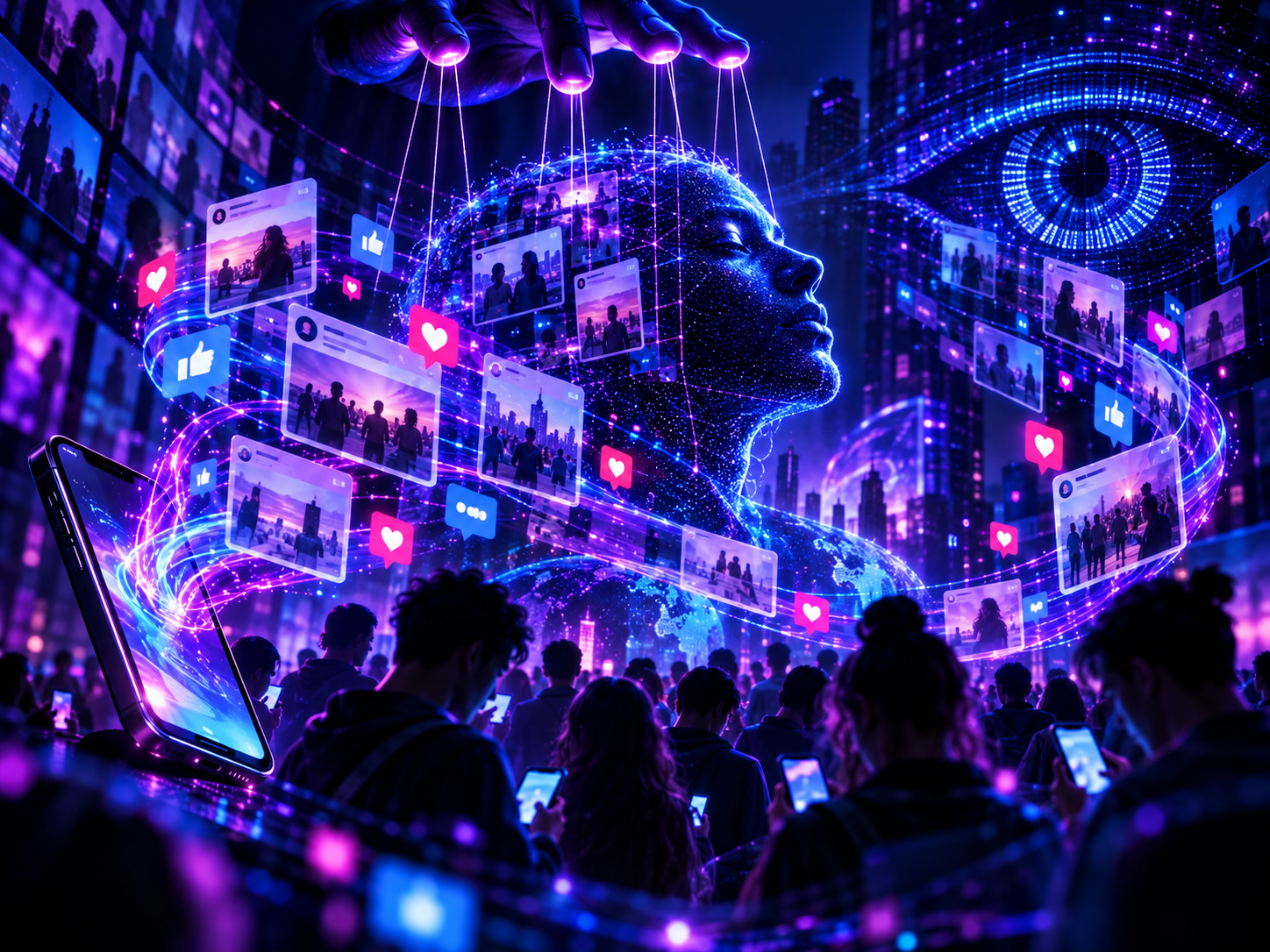
3. Echo Chambers and Filter Bubbles: Polarized Minds
Another profound sociological problem created by the algorithmic structure of social media is filter bubbles and echo chambers.
By analyzing the content a user has clicked on, liked, or reacted negatively to in the past, the system presents them only with content that confirms their worldview, political stance, and beliefs. Individuals who enter this comfortable and isolated cycle gradually lose all mental connection with groups that think differently from them.
Communities that do not hear differing voices and remain unaware of the concerns of the “other” become estranged from one another and may even turn hostile.
This state of isolation increases the likelihood of success for destabilization operations originating from outside.
It becomes much easier to convince a crowd trapped in its own echo chamber to accept any kind of disinformation or fake news produced about the opposing side.
4. Information Warfare and Future Threats in the Age of Artificial Intelligence
The bot accounts and simple forms of manipulation we face today are, unfortunately, just the tip of the iceberg. With the dizzying pace of development in generative AI technologies, information operations and digital warfare are entering an entirely new dimension.
Deepfake Technology: Events that never actually happened, fake images capable of sparking public outrage, or statements never uttered by political leaders can now be disseminated through flawless video and audio recordings.
Natural Language Processing (NLP) and Autonomous Trolls: AI-powered text models make content generated by bot accounts appear flawless, error-free, and persuasive—as if written by an ordinary person.
We must confront the reality today that, in the future, malicious actors targeting social order will not only use text but also autonomous AI systems capable of generating fake visual evidence that is indistinguishable from the real thing to target countries.
5. Digital Literacy: The Most Powerful Line of Defense in the Information Age
Despite this complex and bleak digital siege, we are not helpless as individuals. Our most powerful weapon for breaking through this vast web of manipulation and deception is high digital literacy.
Take a Deep Breath: Before reacting emotionally to every sensational news story, image, or video that triggers anger within us, we must learn to question its source.
Use Verification Mechanisms: Verifying the accuracy of information through independent fact-checking platforms is key to avoiding being swept up in the tide of agendas that are obviously fabricated.
Step Outside Your Comfort Zone: Making a conscious effort to step outside our own filter bubbles and engage with different perspectives will shatter the mental cages in which algorithms have trapped us.
The path to social stability and digital security lies not only in robust cybersecurity infrastructure but also in the vigilance of the minds that consume and manage that technology.