
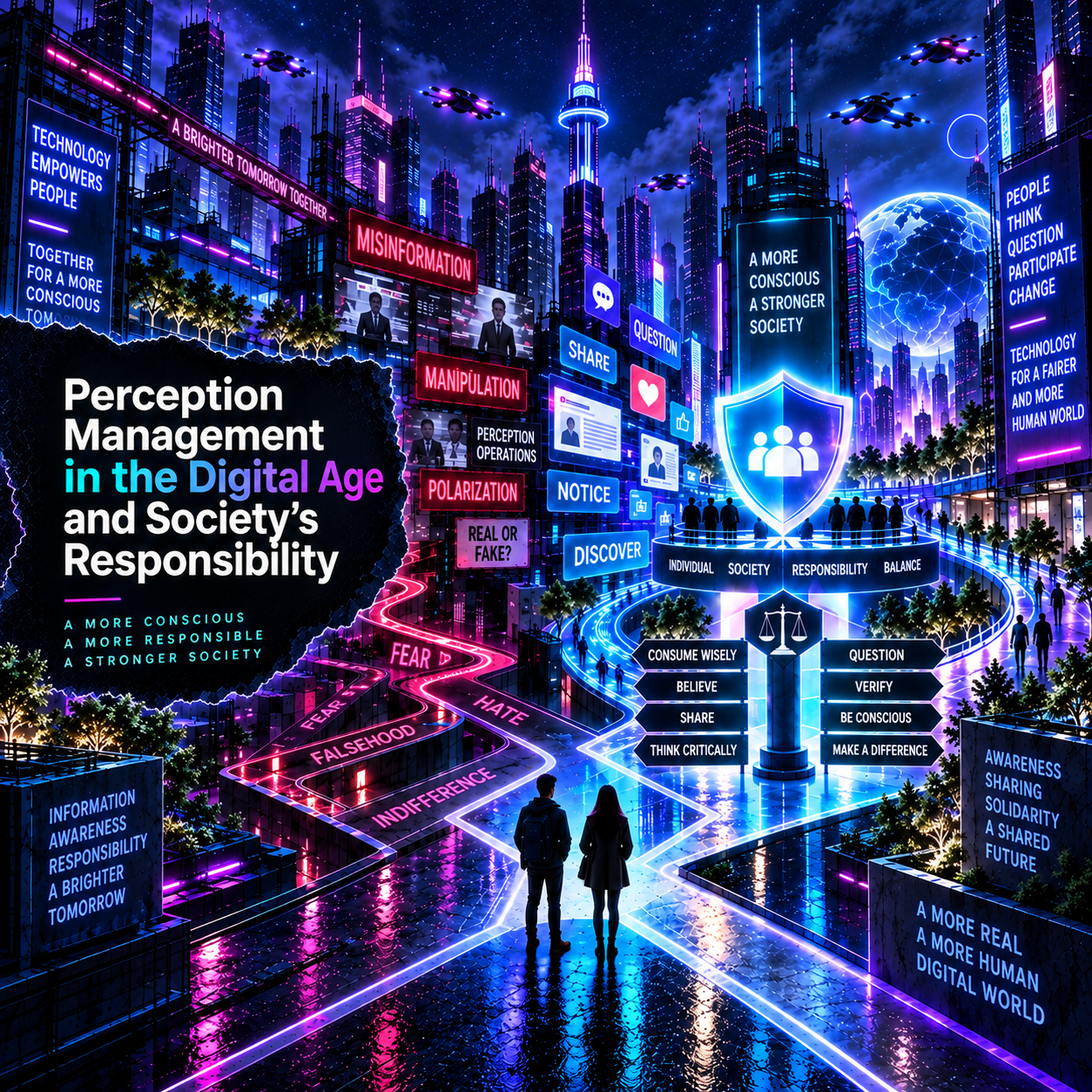
When we watched classic spy movies set during the Cold War, the concept of a spy always came to life in our minds with certain clichés: men in trench coats, secret meetings, microfilms, handoffs on rusty iron bridges, and highly classified state secrets... However, in today’s digital age, this romantic and distant figure of the spy has completely faded into history.
There is no longer any need for trained spies to meddle with a country’s nerve centers, disrupt social peace, or manipulate the masses. With millions of willing pawns carrying smartphones in their pockets—people whose anger overrides their reason and who won’t bother to verify information—what need is there for professional intelligence operatives? In this murky era known as the “post-truth” age, we must confront and discuss how, as a society, we have unconsciously become cogs in a disinformation machine—and, even more painfully, under what masks of good intentions we do so.
1. The Willing Pawns of Modern Times:
In political science and intelligence literature, there is a harsh yet sociologically accurate term used to describe masses who, without realizing it, serve someone else’s agenda and are highly susceptible to manipulation: “useful pawns.”
In the past, reaching and influencing these groups required significant time, budget, and propaganda efforts. Now, however, a single provocative post, a carefully crafted WhatsApp chain message, or a 5-second video taken completely out of context is enough.
Victims of Good Intentions: In our social media feeds, we see information of unknown origin being shared thousands of times in a matter of seconds. Are those sharing it malicious individuals seeking to harm their country? Most often, no. On the contrary, many are highly conscientious citizens who claim to love and protect their country.
Hunger for Information and Emotional Reflexes: However, our insatiable hunger for information and our momentary outbursts of anger turn us into the cheapest and most effective fuel for fifth-column activities.
While we believe we are conscious individuals searching for the truth at our keyboards, we are actually unwittingly playing supporting roles in a digital theater staged by others.
2. Ideological Blindness and Confirmation Bias
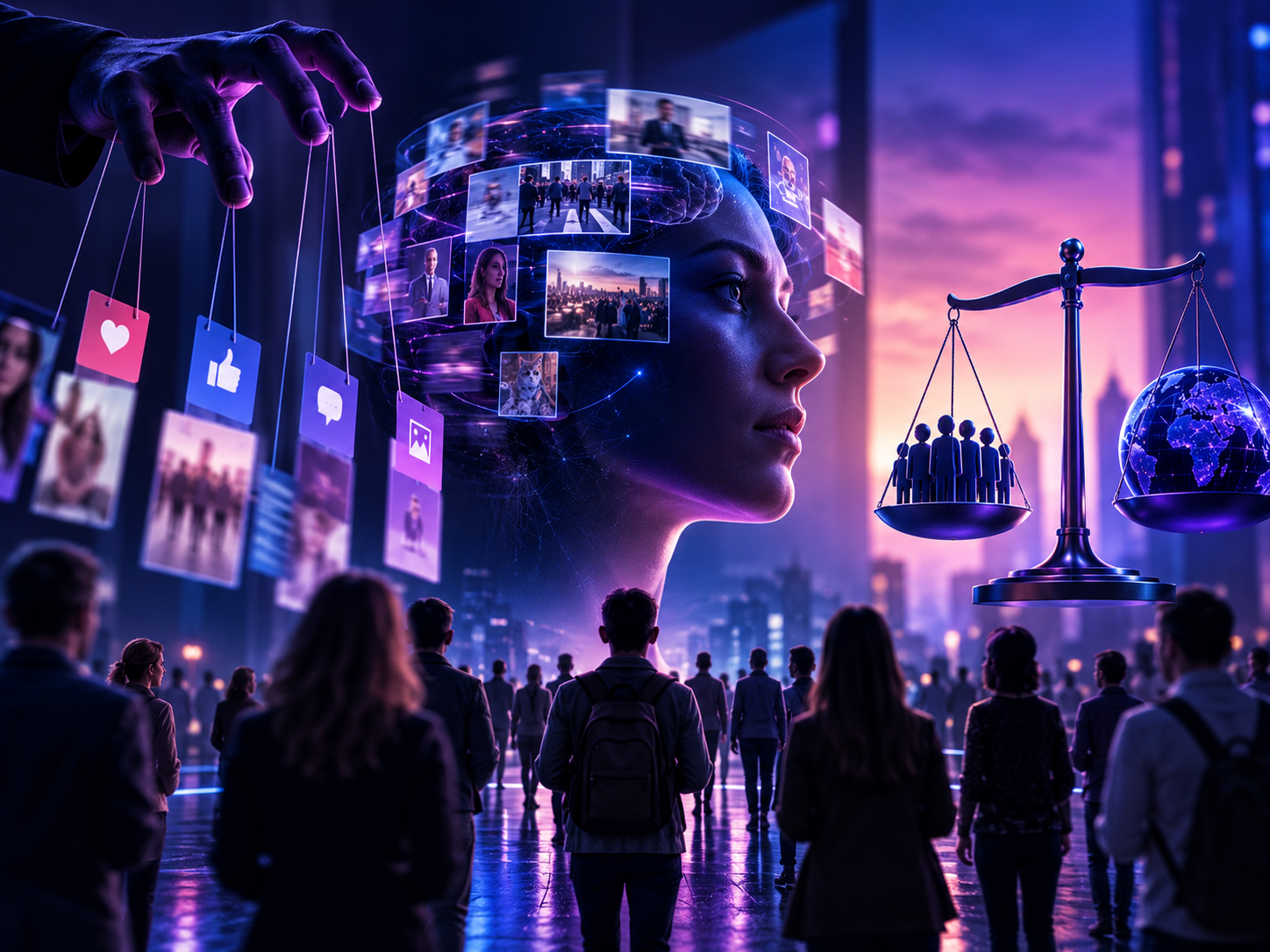
Our greatest weakness, which fuels the psychological foundation of this voluntary complicity, is confirmation bias. Rather than questioning the objective truth of a news story, claim, or image that comes our way, we ask whether it serves our own belief system, political stance, or ideology.
If a fabricated lie supports our worldview or political argument, we are more than willing to accept it as truth without question or scrutiny, down to the finest detail.
In the digital echo chambers we’ve created for ourselves, we feed algorithmic accounts that whisper only what we want to hear.
Even when a piece of information is proven to be false by official documents, we come up with irrational defense mechanisms such as “It’s a lie, but it could have happened” or “It doesn’t change the essence of the matter.” This intellectual laziness leaves us defenseless against all forms of manipulation.
3. The Architecture of Chaos and Social Responsibility in Times of Crisis
We experience the most devastating and painful consequences of this cognitive vulnerability most acutely during times of national mourning, major disasters, or crises. Whether in the wake of an earthquake, a massive wildfire, or a sensitive social event—when society’s nerves are on edge—the disinformation mechanism that kicks in aims to cause a psychological and social upheaval far greater than the physical destruction itself.
Remember: Consider the massive panic that gripped millions of people when the lie that “the dam burst” spread in a matter of seconds during a major earthquake. Imagine how search and rescue efforts were paralyzed in that moment of panic, and how people trampled one another in their desperate struggle to survive.
Anyone who spreads that lie without verifying it in a single second must face the burden of responsibility for the lives lost due to the chaotic environment at that moment—and perhaps due to the failure of relief efforts.
The fear that spreads during crises plays right into the hands of those who seek to portray the state as helpless, render institutions dysfunctional, and paralyze society from within.
4. The Spiral of Distrust: The Collapse of the Internal Front
The ultimate and most dangerous outcome of this entire cycle of disinformation is the complete collapse of social trust. We do not trust institutions, we do not trust the media, we do not trust scientists, and worst of all, we do not trust the people walking side by side with us on the street. This is the greatest harm that being an unwitting digital agent can inflict on the state and the nation. When the perception that “everyone is deceiving everyone else, and no one can be trusted” takes root in a society, that society completely loses its immunity against external interference.
The primary goal of fifth-column strategies is not to militarily occupy a country; it is to turn that country’s citizens against their own government, laws, and neighbors. By spreading unverified information, we are essentially opening the gates of our own fortress from the inside.
5. Solution: Digital Literacy and a New Generation of Patriotism
The digital world is a space where individual responsibility and ethical awareness must be upheld to the highest degree. Today, every citizen sitting at a keyboard must, in fact, act as an intelligence filter for their own digital boundaries and their own mind.
Stop and Think: Take a deep breath before believing the most sensational, most infuriating “breaking news” that pops up on your screen.
Verify: Never click the “share” button without verifying the source of the news.
Control Your Anger: The power at your fingertips on social media can build social harmony—or destroy it.
In the post-truth era, standing up for the truth is not merely an intellectual virtue; it is the most modern form of national defense that safeguards our national unity. Staying vigilant against the information that appears on our phone screens may well be our greatest social responsibility today.