
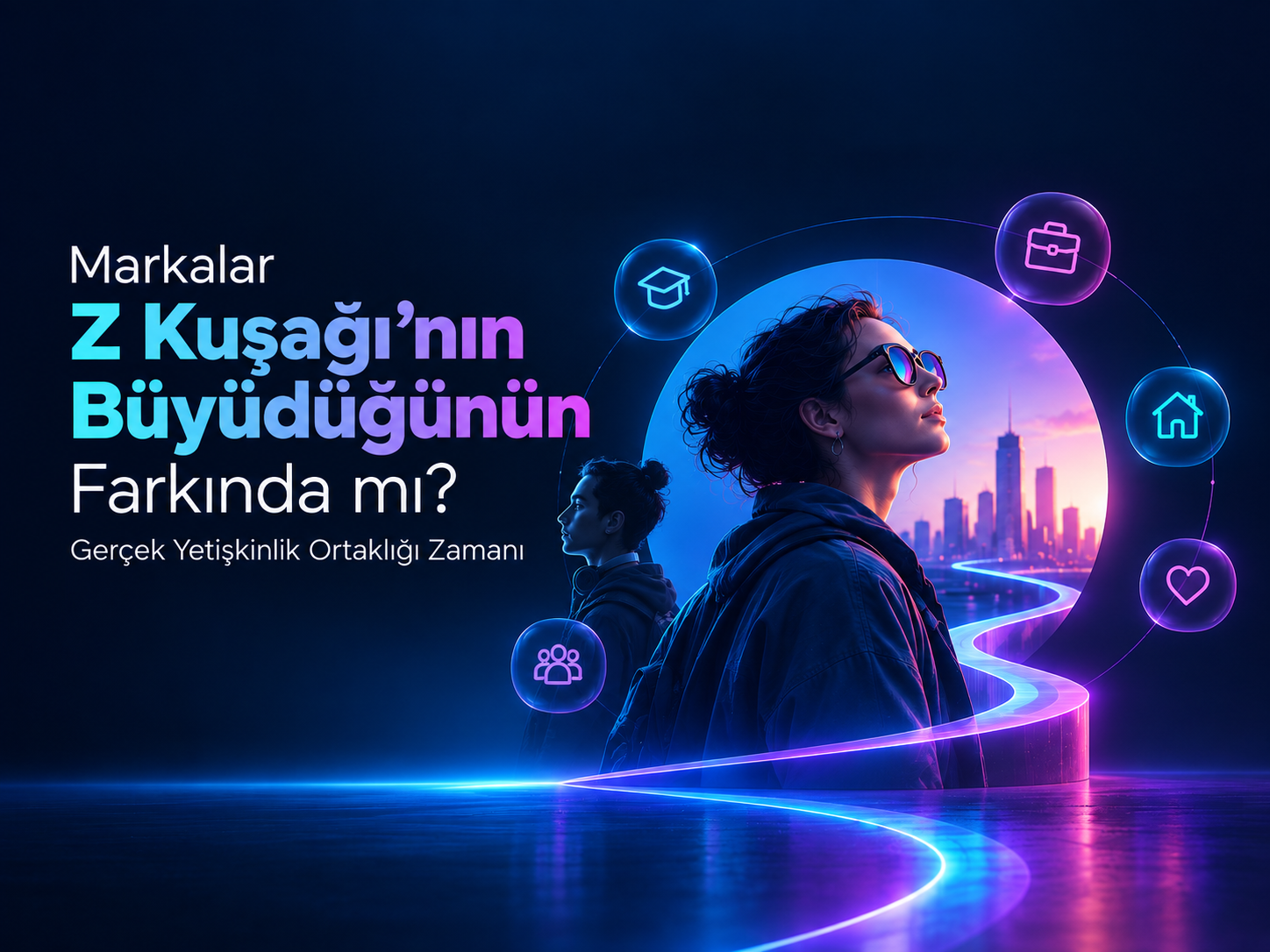
The world of communications has been fixated on a single question for quite some time: “How do we reach Gen Z?”
The answer is sought in that familiar formula that hasn’t changed in years: young people riding skateboards, neon lights, fast-paced editing, and an artificial language that seems to have sprung straight from TikTok slang. But there’s one huge detail that’s being overlooked: Gen Z has grown up.
The first members of Gen Z, born in 1997, are 29 years old today. This group, now approaching 30, has finished school, entered the workforce, is paying taxes, renting apartments, dealing with burnout, and sipping their second cup of coffee while gathering their notes before the morning meeting. But when you look at advertisements, the image that comes to mind for Generation Z is still that of a group of 19- to 20-year-olds whose only concerns are exam week or a weekend festival.
The Expiration Date for Skateboarding Campaigns Has Passed
This retrospective view of the industry is making the connection brands have with Gen Z more superficial by the day. As Feyi Adegbite and Hugo Beazley from the London-based Neverland agency highlighted in their article on LBBOnline, Gen Z is thoroughly fed up with brands that walk into a room wearing their hats backward—just like Steve Buscemi’s iconic look—on their skateboards and say, “What’s up, kids?”
Young people can spot insincere communication—whether it’s just mimicking their language or trying to look funny—a mile away, and they won’t forgive it.
How to Build Authentic Connections: Best Practices
Gen Z isn’t interested in brands that chase fleeting trends; they’re drawn to brands that make long-term investments in the realities of adulthood, their communities, and their culture.
The Oatly x Giggs collaboration and Nike’s genuine support for local running communities are prime examples of this approach.
Spotify wins over Gen Z’s hearts in its annual “Wrapped” campaigns by positioning them not just as an “age group,” but as real adults juggling work stress and listening to podcasts on their commute.
IKEA found real resonance when it shifted its messaging away from the “student apartment” trope and integrated it into the reality of young professionals setting up their first homes.
It’s Time to Return to Reality in Marketing
Imagining Gen Z still wandering high school hallways or campus lawns is no different from investing marketing budgets in the past. This demographic—caught in the midst of the working world, credit card debt, and the hustle and bustle of life—is far more complex and mature than the “unruly, constantly dancing digital natives” portrayed in agency pitch decks.
Now, brands need to ask themselves this critical question: How much more neon lighting do you need to reach Generation Z, or are you ready to share in their anxieties about their first mortgage and adult life?